


Factors Affecting Furnace Replacement Costs: Understanding Installation and Energy Efficiency for DELMAR Homeowners
Furnace replacement is a significant investment for homeowners, particularly in the DELMAR area, where climate conditions necessitate reliable heating solutions. Understanding the various factors that influence furnace replacement costs can help homeowners make informed decisions. This article will explore the average costs associated with furnace replacement, the impact of installation complexity, and the long-term savings associated with energy-efficient models. Additionally, we will discuss financing options available to ease the financial burden of replacing a furnace. By the end of this article, readers will have a comprehensive understanding of what to expect when considering a furnace replacement. Being well-informed can also help homeowners avoid unexpected expenses and choose the best furnace that fits their home’s needs and budget.
What Are the Average Furnace Replacement Costs in DELMAR?
The average furnace replacement costs in DELMAR can vary significantly based on several factors, including the type of furnace, brand, and installation requirements. Homeowners can expect to pay between $3,000 and $7,000 for a complete furnace replacement, depending on these variables. It is important to note that this range includes both the cost of the furnace unit itself and the labor involved in installation. Additional expenses may arise if modifications to existing ductwork or electrical systems are necessary.
Puckett’s HVAC specializes in furnace installation and replacement services, providing tailored solutions to meet the specific needs of homeowners in the DELMAR area. Their expertise ensures that customers receive quality service and guidance throughout the replacement process. They also offer consultations to help homeowners understand the best options for their homes, ensuring that the investment made today will provide comfort and efficiency for years to come.
How Does Furnace Type Influence Replacement Price?
Different types of furnaces come with varying price tags. For instance, gas furnaces typically range from $3,000 to $6,000, while electric furnaces may cost between $2,000 and $4,500. Oil furnaces, although less common, can range from $4,000 to $7,000. The choice of fuel source not only affects the initial purchase price but also the ongoing operational costs, which can vary depending on local fuel prices and availability.
The choice of furnace type not only affects the initial cost but also influences long-term savings. Gas furnaces, for example, tend to be more energy-efficient, leading to lower utility bills over time. Homeowners should consider both the upfront costs and the potential savings when selecting a furnace type. Additionally, environmental considerations such as emissions and sustainability may influence the decision, with some homeowners opting for electric models powered by renewable energy sources.
Which Furnace Brands Affect Cost and Quality?
The brand of the furnace can significantly impact both cost and quality. Popular brands such as Trane, Carrier, and Lennox are known for their reliability and efficiency, but they may come with a higher price tag. These brands often offer advanced features, better warranties, and superior customer support, which can justify the higher initial investment.
When choosing a brand, homeowners should weigh the cost against the warranty offerings and customer reviews. Investing in a reputable brand can lead to better performance and fewer repairs in the long run, making it a worthwhile consideration during the replacement process. It is also beneficial to consult with HVAC professionals who can provide insights into which brands perform best in the DELMAR climate and for specific home configurations.
How Does Installation Complexity Impact Furnace Replacement Cost?
Installation complexity is another critical factor that can influence the overall cost of furnace replacement. Factors such as the existing system’s compatibility, space limitations, and local building codes can all affect installation costs. More complex installations may require additional materials, specialized labor, or modifications to the home’s infrastructure, all of which can increase the total expense.
What Are Common Installation Challenges in DELMAR Homes?
In DELMAR homes, common installation challenges include limited space for new units, compatibility issues with existing ductwork, and adherence to local building codes. These challenges can lead to increased labor costs and extended installation times. Older homes may require upgrades to electrical systems or ventilation to meet current safety standards, adding to the complexity.
Homeowners should be aware of these potential hurdles and discuss them with their HVAC technician to ensure a smooth installation process. Proper planning and communication can help mitigate unexpected costs. Additionally, scheduling an inspection before installation can identify potential issues early, allowing for better budgeting and preparation.
How Do Labor Hours and HVAC Technician Expertise Affect Pricing?
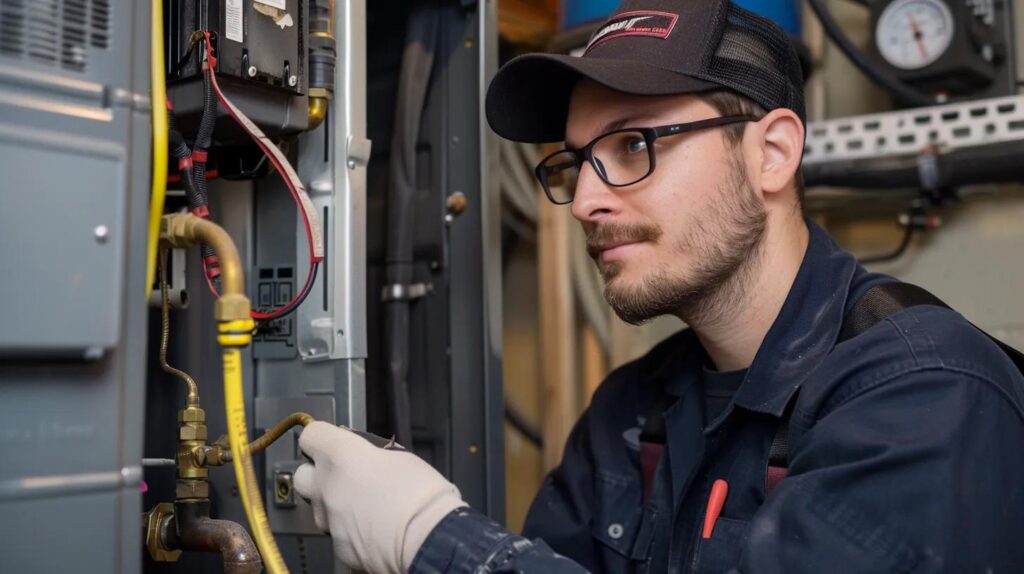
The expertise of the HVAC technician can significantly impact labor costs. Experienced technicians may charge higher rates, but their skills can lead to more efficient installations and fewer mistakes. This expertise often results in a safer and more reliable heating system, which can save money on repairs and energy costs in the long term.
Indeed, the specialized skills of HVAC technicians are a recognized factor in determining overall installation expenses. Their knowledge of the latest technologies and compliance with safety regulations ensures that the furnace operates optimally and meets all legal requirements.
Impact of HVAC Technician Skills on Installation Costs
Other impacts include higher installation costs and This skill is of particular importance in buildings that require including lighting, HVAC, and automation technicians to install, operate,
Training the Workforce for High-Performance Buildings: Enhancing Skills for Operations and Maintenance, R Srivastava, 2020
Homeowners should consider the value of hiring a qualified technician, as the long-term benefits of a properly installed furnace can outweigh the initial labor costs. Investing in skilled labor can also reduce the likelihood of future repairs. Furthermore, professional installation often comes with guarantees or warranties that protect the homeowner’s investment.
How Does Energy Efficiency Affect Long-Term Furnace Replacement Costs?
Energy efficiency plays a crucial role in determining the long-term costs associated with furnace replacement. Higher efficiency models may have a higher upfront cost but can lead to substantial savings on energy bills over time. These savings can accumulate significantly over the lifespan of the furnace, making energy-efficient models a cost-effective choice in the long run.
What Is AFUE and Why Does It Matter for Furnace Costs?
AFUE is a critical metric that measures a furnace’s efficiency. A higher AFUE rating indicates a more efficient furnace, which can translate to lower energy costs. For example, a furnace with an AFUE of 90% will convert 90% of its fuel into heat, while a model with an AFUE of 80% will waste more energy. Understanding AFUE ratings helps homeowners compare different models and select one that balances cost and efficiency.
Further research highlights the comprehensive impact of AFUE on both household life-cycle costs and broader energy consumption. Choosing a furnace with a higher AFUE rating not only reduces monthly utility bills but also contributes to environmental conservation by lowering fuel consumption and emissions.
Residential Furnace Life-Cycle Costs & Energy Efficiency (AFUE)
This paper presents analysis of the life-cycle costs for individual households and the aggregate energy and economic impacts from potential energy efficiency improvements in U.S. residential furnaces. Most homes in the US are heated by a central furnace attached to ducts for distributing heated air and fueled by natural gas. Electricity consumption by a furnace blower is significant, comparable to the annual electricity consumption of a major appliance. Since the same blower unit is also used during the summer to circulate cooled air in centrally air conditioned homes, electricity savings occur year round. Estimates are provided of the potential electricity savings from more efficient fans and motors. Current regulations require new residential gas-fired furnaces (not including mobile home furnaces) to meet or exceed 78 percent annual fuel utilization efficiency (AFUE), but in fact nearly all furnaces sold are at 80 percent AFUE or higher.
Electricity and Natural Gas Efficiency Improvements for Residential Gas Furnaces in the US, JE McMahon, 2006
Homeowners should prioritize ratings when selecting a new furnace, as this can significantly impact their long-term energy expenses. Additionally, higher efficiency furnaces often come with advanced features such as variable speed blowers and smart thermostats, which further enhance energy savings and comfort.
The importance of AFUE is underscored by federal regulations that have long established energy conservation standards for residential furnaces. Compliance with these standards ensures that new furnaces meet minimum efficiency requirements, protecting consumers and the environment.
Federal AFUE Standards for Residential Furnace Installation
effect in 1992 set the initial Federal energy conservation standard in terms of the Annual Fuel Utilization Efficiency (AFUE) to an equivalent non-weatherized furnace installed indoors.
Life-cycle cost analysis of energy efficiency design options for residential furnaces and boilers, 1992
How Do Energy Efficient Furnaces Save Money Over Time?
Energy-efficient furnaces can save homeowners money in several ways. First, they reduce energy consumption, leading to lower utility bills. Second, many energy-efficient models qualify for rebates and incentives, further offsetting the initial investment. These financial incentives can come from government programs, utility companies, or manufacturers, making high-efficiency furnaces more accessible.
By choosing an energy-efficient furnace, homeowners not only contribute to environmental sustainability but also enjoy the financial benefits of reduced energy costs over the lifespan of the unit. Additionally, these furnaces often have longer lifespans and require less maintenance, adding to their overall value.
What Financing Options Are Available for Furnace Replacement?
Financing options can make furnace replacement more manageable for homeowners. Various plans are available, allowing customers to spread the cost over time, making it easier to budget for this significant investment. Understanding the terms and conditions of financing plans is essential to avoid unexpected fees or high-interest rates.
How Can Financing Ease the Cost to Replace a Furnace?
Financing options typically include low-interest loans, payment plans, and even promotional offers from HVAC companies. These options can help homeowners manage their budgets while ensuring they have a reliable heating system in place. Some financing programs also offer deferred payments or zero-interest periods, which can be particularly helpful for those needing immediate replacement but limited upfront funds.
Puckett’s HVAC offers financing solutions tailored to meet the needs of their customers, making it easier for homeowners to invest in a new furnace without the burden of upfront costs. Their team can assist in selecting the best financing plan and guide customers through the application process to ensure a smooth experience.
What Are Typical Warranty Periods and Their Cost Implications?
Warranties are an essential consideration when replacing a furnace. Most manufacturers offer warranties ranging from 5 to 10 years, covering parts and, in some cases, labor. Extended warranties or service plans may be available for purchase, providing additional peace of mind.
Understanding warranty options can help homeowners make informed decisions about their furnace purchase. A longer warranty may indicate higher quality and reliability, potentially saving homeowners money on repairs in the future. It is also important to read the warranty terms carefully to understand what is covered and any maintenance requirements needed to keep the warranty valid.
Frequently Asked Questions
What factors should I consider when choosing a furnace type?
When selecting a furnace type, consider factors such as fuel source, efficiency ratings, and your home’s heating needs. Gas furnaces are generally more efficient and cost-effective in the long run, while electric models may have lower upfront costs. Additionally, assess the availability of fuel in your area and any environmental concerns. It’s also wise to consult with HVAC professionals to determine which type best suits your home’s layout and climate conditions, ensuring optimal performance and comfort.
How can I improve the energy efficiency of my existing furnace?
Improving the energy efficiency of your existing furnace can be achieved through several methods. Regular maintenance, such as changing filters and cleaning ducts, can enhance performance. Installing a programmable thermostat allows for better temperature control, reducing energy consumption. Additionally, sealing leaks in ductwork and ensuring proper insulation in your home can prevent heat loss. If your furnace is older, consider upgrading to a more efficient model, as newer units often have advanced features that significantly reduce energy usage.
What are the benefits of scheduling a furnace inspection before replacement?
Scheduling a furnace inspection before replacement can provide numerous benefits. It allows HVAC professionals to assess the current system’s condition, identify potential issues, and recommend necessary upgrades. This proactive approach can help avoid unexpected costs during installation and ensure compliance with local building codes. An inspection can also help determine if repairs are a viable option, potentially saving you money. Overall, it provides peace of mind and helps you make informed decisions regarding your heating system.
Are there any government incentives for installing energy-efficient furnaces?
Yes, many government programs offer incentives for homeowners who install energy-efficient furnaces. These incentives can include tax credits, rebates, or grants aimed at promoting energy conservation. The specifics vary by location and program, so it’s essential to research available options in your area. Utility companies may also provide rebates for high-efficiency models. Taking advantage of these incentives can significantly reduce the overall cost of purchasing and installing a new furnace, making energy-efficient choices more accessible.
How do I choose the right HVAC technician for installation?
Choosing the right HVAC technician is crucial for a successful furnace installation. Start by seeking recommendations from friends or family and checking online reviews. Verify the technician’s credentials, including licenses and insurance, to ensure they meet local regulations. Ask about their experience with your specific furnace type and installation requirements. Additionally, request quotes from multiple technicians to compare pricing and services. A qualified technician will provide a detailed estimate and be willing to answer any questions you may have about the installation process.
What maintenance is required for a new furnace to ensure longevity?
To ensure the longevity of a new furnace, regular maintenance is essential. Homeowners should schedule annual inspections with a qualified HVAC technician to check for any issues and perform necessary adjustments. Regularly changing or cleaning air filters is crucial to maintain airflow and efficiency. Additionally, keeping the area around the furnace clear of debris and ensuring proper ventilation can prevent overheating. Homeowners should also monitor the system for unusual noises or performance issues and address them promptly to avoid costly repairs.
Conclusion
Understanding the factors that influence furnace replacement costs empowers DELMAR homeowners to make informed decisions that enhance comfort and efficiency. By considering installation complexity, energy efficiency, and financing options, homeowners can optimize their investment for long-term savings. Consulting with experienced HVAC professionals ensures that the chosen furnace meets both budgetary and environmental needs. Take the next step towards a reliable heating solution by exploring our expert services today.